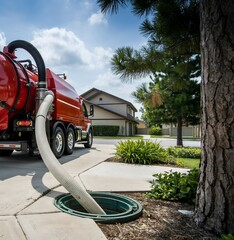
Septic Service Fresno are an important part of maintaining a home that relies on a private septic system. Routine pumping and inspections can help prevent excessive waste buildup, while repairs may be necessary when components become damaged or the system stops operating properly. One of the first questions homeowners have when scheduling service is how much septic tank maintenance will cost.
The answer varies because septic pumping, cleaning, inspections, and repairs involve different amounts of labor, equipment, and materials. Understanding what affects septic tank service costs can help homeowners budget for routine maintenance and avoid being surprised when additional work is required.
What Is the Average Cost of Septic Tank Services?
The cost of septic tank services depends primarily on the type of work being performed. Routine septic pumping is generally one of the more predictable maintenance expenses, while inspections, cleaning, component repairs, and drain field work can increase the total substantially. Prices also vary by geographic location, tank size, accessibility, and local disposal costs.
For this reason, homeowners should treat national or online price estimates as general budgeting information rather than guaranteed quotes. A contractor usually needs information about the septic system and property before providing an accurate price. Requesting an itemized estimate can make it easier to understand exactly what is included.
How Much Does Septic Tank Pumping Cost?
Septic pumping is one of the most common septic services. During pumping, a professional uses specialized vacuum equipment to remove wastewater, sludge, and scum that have accumulated inside the tank. The cost generally reflects the tank’s capacity, amount of accumulated material, accessibility, labor, transportation, and disposal requirements.
Larger tanks may cost more to pump because they can contain more material and require additional service time. A tank that has not been maintained for an extended period may also contain thick sludge that is more difficult to remove. If the tank is easily accessible through a visible riser, the service may be simpler than when technicians must locate and excavate a buried lid.
How Much Does Septic Tank Cleaning Cost?
Septic tank cleaning may involve more than removing the liquid contents of the tank. Depending on the service being offered, technicians may take additional steps to remove stubborn sludge and accumulated material from inside the tank. Because the exact meaning of “cleaning” can vary among septic companies, homeowners should ask what the quoted service actually includes.
A more extensive cleaning may cost more than straightforward pumping because it requires additional labor and time. Heavy accumulation can also affect the complexity of the service. Before comparing prices between companies, make sure each estimate covers the same scope of work. A lower quote is not necessarily a better deal if it includes fewer services.
How Much Does a Septic Inspection Cost?
Septic inspections can range from relatively basic evaluations to more detailed assessments of the system. A routine service visit may include observations of accessible tank components, while a more comprehensive inspection associated with a property transaction or suspected system problem may involve additional procedures.
The price can depend on how much of the system must be located, accessed, and evaluated. Systems with pumps, alarms, multiple tanks, or other components may require additional inspection time. Homeowners should ask whether pumping is included in the inspection price or charged separately. Knowing the inspection scope makes estimates easier to compare.
What Factors Affect Septic Tank Service Costs?
Several property-specific conditions can influence the final bill. Accessibility is one of the most important. If the tank lid is buried deeply, difficult to locate, or obstructed by landscaping or structures, technicians may need additional time before normal service can begin.
Other common cost factors include:
- Tank capacity and number of tanks
- Amount and condition of accumulated waste
- Distance between the service truck and septic tank
- Excavation needed to reach access lids
- Local labor and waste-disposal fees
- Additional filter or component maintenance
- Emergency or after-hours service
- Repairs discovered during inspection
- Specialized equipment required for difficult access
Providing accurate information when requesting an estimate can help the septic company give you a more realistic price.
Does Septic Tank Size Affect the Price?
Tank capacity can influence pumping costs because larger systems can hold greater volumes of wastewater and accumulated solids. However, tank size is not the only factor. A smaller tank that is difficult to access or heavily neglected could potentially require more work than a larger, routinely maintained system with convenient access.
Homeowners who do not know their septic tank capacity may be able to find it in property records, installation documents, or previous septic service records. A septic professional may also be able to help identify the system. Keeping this information with your maintenance records can make future service scheduling easier.
Can a Buried Septic Tank Lid Increase the Cost?
Yes. When a septic tank’s access lid is buried, technicians may need to locate and uncover it before pumping or inspection can begin. The amount of additional work depends on the depth of the lid, soil conditions, and whether the tank location is already known.
Installing an appropriate septic riser may make future maintenance more convenient by bringing the access point closer to ground level. Although installing a riser creates an additional upfront expense, easier access may reduce excavation during future visits. Homeowners considering this upgrade should ask a septic professional whether it is suitable for their particular system.
How Much Do Septic Tank Repairs Cost?
Repair costs vary much more widely than routine pumping expenses because the type and severity of damage can differ substantially. Relatively localized problems involving accessible lids, risers, filters, baffles, or certain pipe components may require limited repairs. Structural tank damage or problems affecting wastewater distribution can be considerably more involved.
Drain field problems are often among the more significant septic expenses because the drain field is a critical part of wastewater treatment. However, symptoms such as slow drains or sewage odors do not automatically mean the drain field has failed. Proper diagnosis should come before expensive repair recommendations.
Why Can Emergency Septic Service Cost More?
Emergency service can be more expensive when technicians are needed outside normal business hours or when a sewage backup requires immediate attention. Additional costs may also arise when the problem requires diagnostic work beyond ordinary pumping.
Homeowners can reduce the likelihood of some emergencies through preventive maintenance. Routine pumping allows solids to be removed before they reach excessive levels, while inspections may reveal deteriorating components before they fail completely. Although maintenance does not prevent every septic problem, planned service is usually easier to budget for than an unexpected wastewater emergency.
How Often Should You Budget for Septic Pumping?
There is no single pumping interval that applies to every household. The appropriate schedule depends on tank size, household occupancy, water use, waste habits, and previous sludge accumulation. Many homeowners maintain their systems on a multi-year schedule, but the actual interval should reflect the condition and use of the specific system.
Keeping records from each service visit can help establish a more accurate maintenance schedule. Record the pumping date, tank capacity if known, inspection findings, and any repairs performed. Over time, this information can show how quickly solids accumulate and help homeowners plan future maintenance expenses.
Is the Cheapest Septic Service the Best Choice?
Choosing a septic service provider solely because it offers the lowest price can be risky. Estimates may include different levels of pumping, cleaning, inspection, excavation, or disposal. A company quoting a higher price may actually include services that another provider charges for separately.
Ask for a clear explanation of what the price includes before scheduling. Find out whether locating or digging to the tank costs extra, whether an inspection is included, and whether there are additional waste-disposal or travel charges. Comparing equivalent services provides a much more meaningful picture of value.
How Can You Reduce Long-Term Septic Service Costs?
Preventive maintenance is one of the most practical ways to control long-term septic expenses. Pumping the tank according to its actual needs can help prevent excessive solids from moving toward other system components. Homeowners should also avoid flushing wipes, paper towels, hygiene products, and other inappropriate materials.
Water management is equally important. Repair leaking toilets and faucets, avoid unnecessarily overwhelming the system with large volumes of water, and protect the drain field from vehicles and heavy equipment. Maintaining accessible tank lids and keeping accurate service records can also make routine appointments more efficient.
What Should You Ask for in a Septic Service Estimate?
Before hiring a septic company, ask for an estimate that clearly describes the work being performed. This makes it easier to compare providers and identify charges that might otherwise appear unexpectedly.
The estimate should clarify the primary service, whether tank locating or excavation is included, how waste disposal is handled, whether inspection is part of the visit, and what additional services could create extra charges. For repairs, ask whether the estimate covers both labor and materials. Clear pricing helps homeowners make informed decisions before work begins.
Final Thoughts
How much septic tank services cost depends on the service required, tank capacity, accessibility, location, system condition, and whether repairs or additional maintenance are necessary. Routine pumping is generally easier to predict than repair costs, while difficult access, neglected tanks, emergency appointments, and drain field problems can increase the overall expense. Because pricing varies significantly between properties and regions, homeowners should obtain a detailed local estimate rather than relying entirely on national averages. Regular pumping, responsible water use, proper waste disposal, and routine inspections can also help reduce the risk of more expensive septic problems. Budgeting for preventive septic maintenance is an important part of protecting both the wastewater system and the property it serves.